

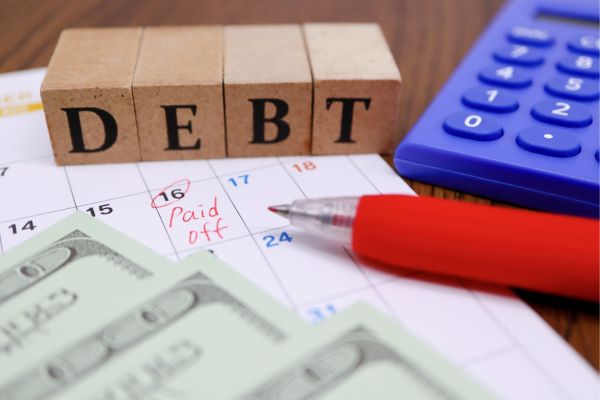
Debt has a way of sitting quietly in the background of everyday life. You might not think about it while making coffee or scrolling your phone, but it’s there—shaping choices, adding pressure, and quietly collecting interest. The good news is that paying off loans faster isn’t only for people with sky-high incomes or extreme discipline. With the right mindset and a few practical shifts, faster repayment is achievable for ordinary borrowers too.
What follows is a realistic, experience-driven look at tips for faster loan repayment. This isn’t about financial hype or unrealistic shortcuts. It’s about habits, perspective, and steady progress that actually works in real life.
Understanding Why Faster Loan Repayment Matters
Before talking about tactics, it helps to understand why speeding up repayment is such a powerful move. Loans don’t just cost you the original amount borrowed. Interest stretches that cost over years, quietly inflating the total you repay. The longer a loan exists, the more expensive it becomes.
Faster loan repayment shortens that timeline. Fewer months mean less interest, less stress, and more flexibility in your future finances. There’s also a psychological benefit that’s hard to quantify but easy to feel. Each closed loan removes mental clutter, freeing up energy for other goals.
Getting Honest About Your Current Financial Reality
One of the most overlooked tips for faster loan repayment is also the simplest: clarity. Many people try to pay off debt without fully understanding where their money goes each month. That lack of clarity makes progress feel random and frustrating.
Taking an honest look at income, fixed expenses, variable spending, and existing debts can be uncomfortable. But it’s also empowering. When you see the full picture, repayment stops being abstract. It becomes a set of decisions you can actively manage rather than something happening to you.
Shifting From Minimum Payments to Intentional Payments
Minimum payments are designed to keep loans alive, not to eliminate them quickly. They’re helpful for short-term relief but expensive in the long run. Moving beyond minimums, even slightly, can dramatically change repayment speed.
Intentional payments don’t have to be extreme. Adding a modest amount each month or rounding payments upward can shave months or even years off a loan. What matters is consistency. Small, intentional increases often outperform big, irregular efforts that are hard to maintain.
Making Peace With Lifestyle Adjustments
Faster loan repayment usually requires some degree of lifestyle change. The key is making adjustments that feel sustainable rather than punishing. Extreme deprivation often backfires, leading to burnout or avoidance.
Instead of focusing on what you’re giving up, focus on what you’re gaining. Temporary restraint can buy long-term freedom. That shift in mindset turns sacrifices into choices. Over time, those choices feel less like losses and more like investments in your future peace of mind.
Using Extra Income Strategically
Unexpected or irregular income can be a powerful tool when used intentionally. Tax refunds, bonuses, freelance payments, or occasional overtime can significantly accelerate repayment when directed toward loans.
The temptation is to treat extra money as “fun money,” especially when finances feel tight. There’s nothing wrong with enjoyment, but splitting windfalls—some for enjoyment, some for debt—can balance motivation with progress. Over time, these strategic boosts add up faster than you might expect.
Reducing Interest Without Refinancing Hype
Lower interest means faster repayment, even if your monthly payment stays the same. While refinancing is one option, it isn’t always necessary or appropriate. Sometimes the most effective approach is focusing repayment on higher-interest loans first.
Interest rates quietly determine which debts are working hardest against you. By directing extra payments toward those balances, you reduce the overall cost of borrowing. This approach doesn’t require complex financial products, just awareness and consistency.
Automating Progress to Avoid Decision Fatigue
Willpower is a limited resource. The more decisions you have to make each month, the easier it is to delay or skip extra payments. Automation removes that friction.
Setting up automatic payments above the minimum turns repayment into a background process. You don’t have to negotiate with yourself every month. The decision is already made. Over time, automation builds momentum, and momentum is one of the most underrated tips for faster loan repayment.
Avoiding New Debt While Paying Off Old Ones
This point sounds obvious, yet it’s where many repayment plans quietly fail. Paying extra on loans while simultaneously adding new debt is like walking up an escalator going down. Progress happens, but it’s slow and discouraging.
Avoiding new debt doesn’t mean freezing your life. It means being intentional about borrowing and distinguishing between wants and needs. Even short pauses in new borrowing can dramatically speed up repayment by keeping your efforts focused.
Reframing Debt Repayment as a Skill
Debt repayment isn’t just a financial task. It’s a skill, and like any skill, it improves with practice. Early attempts may feel awkward or inconsistent. That’s normal. Over time, awareness grows, habits solidify, and decisions become easier.
Viewing repayment as a skill removes shame from mistakes. Missed opportunities become lessons rather than failures. This mindset encourages persistence, which matters far more than perfection when working toward debt freedom.
Staying Motivated During the Middle Stretch
The beginning of repayment often feels energizing, and the end feels exciting. The middle is where motivation tends to dip. Progress continues, but visible wins feel smaller. This is where many people slow down or give up.
Recognizing this phase helps you prepare for it. Tracking progress, celebrating milestones, or reminding yourself why you started can keep momentum alive. Motivation doesn’t have to be loud or dramatic. Sometimes it’s just quiet commitment, showing up month after month.
Understanding That Speed Is Personal
Not everyone can repay loans at the same pace, and that’s okay. Faster loan repayment doesn’t mean reckless repayment. It means moving at a pace that balances progress with stability.
Comparing your journey to others often leads to frustration. Financial situations vary widely, shaped by income, responsibilities, and unexpected events. Measuring progress against your own starting point is far more useful—and far kinder—than external comparisons.
Letting Debt Freedom Redefine Your Future
One of the most powerful aspects of faster loan repayment is what happens afterward. Money that once went toward debt becomes available for saving, investing, or simply breathing easier each month. Choices expand. Stress contracts.
Debt freedom isn’t just a financial milestone. It’s a shift in how you relate to money. Decisions become proactive rather than reactive. Goals feel reachable rather than theoretical.
A Reflective Conclusion on Paying Loans Off Faster
Tips for faster loan repayment aren’t about financial tricks or overnight transformations. They’re about intention, consistency, and self-awareness. Paying off loans faster is rarely dramatic, but it is deeply meaningful.
Each extra payment is a quiet vote for your future. Each mindful decision reduces the weight you carry forward. Over time, those small, steady actions compound into something powerful: freedom, flexibility, and a calmer relationship with money.
Debt doesn’t disappear all at once. It fades as you take control, one thoughtful step at a time.
