

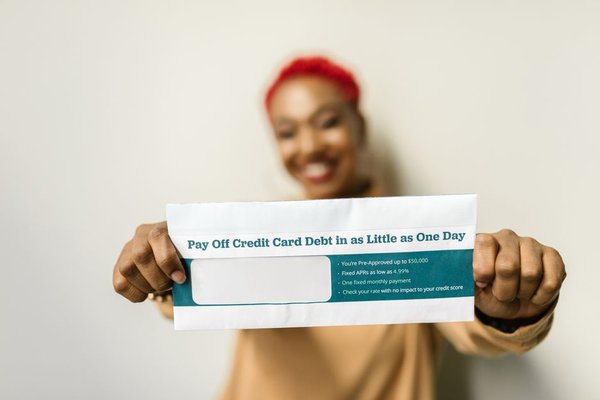
A debt consolidation loan can hurt your credit score at first, but the effect is usually temporary and may be outweighed by longer-term benefits. The initial dip can come from applying for new credit and opening a new account. After that, your score may recover—or improve—if the loan helps you reduce credit card balances and make every payment on time.
Consolidation itself is not automatically good or bad for credit. The outcome depends on how the loan changes your credit profile and what you do after your old balances are paid off.
Why Your Credit Score May Drop at First
The lender may perform a hard inquiry
When you formally apply for a debt consolidation loan, the lender will normally check your credit report. This hard inquiry can reduce your score by a few points, although the exact credit score impact varies by credit history and scoring model. Someone with a thin credit file or several recent applications may notice a larger effect than a borrower with a long, stable history.
Many lenders let you check estimated rates through prequalification using a soft inquiry, which does not affect your score. Confirm the lender’s process before applying, and avoid submitting several formal applications when each one will create a hard inquiry.
A new loan can reduce the average age of your accounts
Credit scoring formulas consider account age. Opening a consolidation loan adds a brand-new account, which can lower the average age of your credit history. This factor is generally less influential than payment history and revolving credit usage, but it can still contribute to a temporary decline.
How Debt Consolidation Can Help Your Credit
Paying off cards may lower credit utilization
One of the strongest potential benefits appears when a personal loan pays down credit card debt. Credit cards are revolving accounts, and scoring models pay close attention to the percentage of your available limits that you are using. Moving those balances to an installment loan can sharply reduce revolving credit utilization, even though your total debt has not disappeared.
Consider a borrower with three cards carrying $12,000 in balances and total limits of $15,000. That is 80% utilization. If a consolidation loan pays the cards down to zero and the accounts remain open, utilization could fall dramatically once the new balances are reported. That may support a better score, provided the borrower does not charge the cards back up.
One payment may protect your payment history
Payment history is a major part of common credit scoring systems. Replacing several due dates with one fixed monthly payment can make debt easier to manage. Consistent, on-time loan payments can gradually add positive information to your credit reports.
The reverse is also true. A payment that becomes 30 days late can seriously damage your credit and erase potential benefits. Set up automatic payments where practical, keep enough money in the linked account and review each statement for errors.
An installment loan may diversify your credit mix
If your history consists mostly of credit cards, adding an installment loan may improve the variety of accounts on your reports. Credit mix is a relatively small scoring factor, so it should never be the main reason to borrow. It may still provide a modest benefit when the loan is managed responsibly.
Debt-to-Income Ratio Is Different From a Credit Score
Your debt-to-income ratio compares required monthly debt payments with gross monthly income. Lenders use it to judge whether you can afford another payment. Income is not normally part of a consumer credit report, so debt-to-income ratio does not directly determine a traditional credit score.
However, both measures can influence the same lending decision. A borrower may have a good score but be declined because monthly obligations are too high. Consolidation can improve cash flow if it lowers the monthly payment, but extending the term may increase total interest. Compare the annual percentage rate, fees, payment, term and total repayment cost—not just the advertised monthly amount.
When Consolidation Is Most Likely to Hurt
The greatest risk is not the small initial dip. It is ending up with the new loan plus fresh card balances. Keeping paid-off cards open can help preserve available credit, but those accounts should not become permission to borrow again. Remove cards from shopping apps or use account controls if access is likely to trigger overspending.
Closing a paid-off card can reduce available revolving credit and cause utilization to rise on cards that still carry balances. Before closing an account, consider its credit limit, age, annual fee and your ability to avoid new charges.
Consolidation may also be a poor move when the new rate is not meaningfully lower, origination fees consume the savings or the term stretches the debt out for years. Explore debt payoff strategies and debt consolidation alternatives before accepting a loan that merely rearranges expensive debt.
How to Minimize the Credit Impact
Check your credit reports and correct genuine errors before applying. Use soft-pull prequalification where available, compare offers based on total cost and submit a formal application only when the terms appear worthwhile. After funding, confirm that every creditor receives the correct payoff and continue making payments until each account shows a zero balance.
Keep card balances low, avoid unrelated credit applications for a while and monitor your reports to ensure the new loan and paid-off accounts are reported accurately. A written budget can prevent the consolidation loan from becoming an extra layer of debt. Reviewing how credit utilization works can also help you decide which accounts to keep open.
Frequently Asked Questions
How many points will a debt consolidation loan lower my score?
There is no fixed number. A hard inquiry often causes only a small decline, but the effect depends on your credit profile, recent applications and the scoring model. The new account can also lower your average account age.
How long does the credit score dip last?
The impact of a hard inquiry generally fades with time. Hard inquiries can remain on credit reports for up to two years, while FICO scores generally consider them for 12 months. Your score may recover sooner if you pay on time and keep card utilization low.
Should I close my credit cards after consolidating them?
Not automatically. Keeping no-fee cards open may preserve available credit and account history. Closing them can make sense when fees or overspending risks outweigh those benefits, but check how the closure may affect utilization first.
Can a debt consolidation loan improve my score quickly?
It may help once lower card balances are reported, especially if utilization was high. No improvement is guaranteed, and lasting progress depends on on-time payments and avoiding new balances.
The Bottom Line
A debt consolidation loan may cause a short-term credit score dip because of a hard inquiry and a newly opened account. It can support stronger credit over time when it reduces revolving balances, simplifies repayment and helps you build a reliable payment record. The best loan is not simply the one with the lowest payment; it is one that lowers your overall cost, fits your budget and comes with a realistic plan to keep the paid-off debt from returning.
