

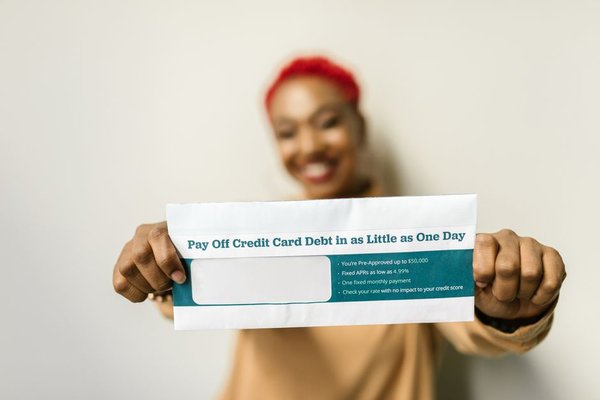
Getting a personal loan without a cosigner is possible, even if you are a first-time borrower or have a limited credit history. The lender simply has to judge the application using your financial profile alone. Your income, current debts, credit history, recent applications, and ability to repay therefore matter more than they would if another person were guaranteeing the debt.
A no cosigner loan is not a special loan category. It is usually a personal loan you qualify for on your own. Many personal loans are unsecured, meaning you do not pledge property as collateral. Because the lender may have neither a cosigner nor collateral to fall back on, approval standards and pricing can vary considerably.
What lenders look at when you apply alone
There is no universal credit score, income level, or debt-to-income ratio that guarantees unsecured loan approval. Each lender sets its own underwriting rules. Most, however, consider similar factors: your credit reports and scores, payment history, income, current monthly debt obligations, requested loan amount, and recent credit activity.
If you have a thin credit file, a lender has less traditional information to review. Some lenders also use permitted alternative information, such as bank-account cash-flow data, to evaluate borrowers with limited conventional credit histories. Not every lender does this, so check eligibility requirements before applying.
Review your credit reports for errors first. U.S. consumers can currently request free weekly reports from the nationwide credit reporting companies. Checking your own report is a soft inquiry and does not hurt your credit score. If you find inaccurate information, dispute it before submitting multiple applications.
Improve your chances before applying
Request only what you actually need
A smaller loan can be easier to fit into your monthly budget and may be more realistic for a lender to approve. Work backward from a payment you can comfortably afford instead of starting with the maximum amount advertised.
Reduce costly revolving debt where practical
If your credit card balances are high, paying them down can reduce monthly obligations and may improve your overall credit profile. Do not empty an emergency fund simply to make an application look stronger, but lowering expensive revolving debt can help when your budget allows it.
Document your income clearly
Young workers, freelancers, gig workers, and people who recently changed jobs may need additional documentation. Keep recent pay statements, bank statements, tax documents, or other lender-requested proof ready. The goal is to show that your income is genuine, sufficient, and reasonably consistent.
Use prequalification when available
A formal credit application commonly results in a hard inquiry, which can affect your score. Some lenders let you check possible rates through a soft inquiry before formally applying. Prequalification can make comparison easier, but it is not final approval and the eventual rate or terms may change.
Compare total cost, not just the monthly payment
A lower monthly payment can look attractive, but a longer repayment term may increase the total amount you pay. Compare APR, loan term, monthly payment, origination fees, late fees, and the amount you actually receive after any fee deductions.
APR is useful because it reflects interest plus certain loan fees, making it more informative than the stated interest rate alone. Personal installment loans can include origination or documentation fees, so read the lender’s disclosures before accepting an offer.
Consider Maya, who needs $4,000 for a necessary car repair and moving expenses. One lender offers a smaller payment over four years but charges an origination fee and has a higher overall borrowing cost. Another offers a three-year term with a slightly higher payment, lower APR, and no origination fee. If Maya can safely afford the second payment, it may be the better deal. The cheapest loan is not always the one with the smallest monthly bill.
What if you have little or no credit history?
A first-time borrower loan can be harder to qualify for because lenders have less evidence showing how you have handled debt. That does not automatically mean you need a cosigner. Look for lenders that openly serve thin-credit borrowers, including some credit unions, banks, and online lenders, and compare their stated eligibility criteria before making a full application.
If you are denied, read the adverse action notice instead of immediately applying elsewhere. Federal rules generally require lenders to provide specific reasons for a credit denial or explain how to obtain them. If the decision involved your credit report, the notice can help you identify the report and factors that affected the outcome.
Treat that information as a diagnostic tool. If the problem is insufficient credit history, work on building a track record. If it is high debt, reduce balances. If the requested amount is too high for your income, consider a smaller loan. Related topics worth exploring include how to build credit from scratch, how debt-to-income ratio works, and how to compare personal loan APRs.
Alternatives if an unsecured loan is not available
If you cannot qualify on your own today, avoid automatically turning to expensive short-term borrowing. Depending on your circumstances, alternatives may include a credit-builder product, a small-dollar loan from a bank or credit union, a secured personal loan backed by savings, negotiating a payment plan with the company you owe, or delaying a non-urgent purchase.
Be cautious with any company that promises guaranteed approval in exchange for an upfront fee. The FTC warns that advance-fee loan offers can be scams. A legitimate lender may charge disclosed loan fees, but paying first because approval is supposedly guaranteed is a warning sign.
FAQ
Can I get a personal loan without a cosigner and with bad credit?
Possibly, but your choices may be narrower and the APR may be higher. Approval depends on the lender’s criteria, your income, debts, credit profile, and requested amount. Compare legitimate offers and focus on affordability, not approval alone.
Does applying for a personal loan hurt my credit?
A formal application may create a hard inquiry, which can affect your credit score. Checking your own report does not hurt your score, and some lenders offer soft-inquiry prequalification first.
Is a personal loan without a cosigner always unsecured?
No. Many personal loans are unsecured, but some are secured by collateral. A secured loan can change the lender’s risk, but you could lose the pledged asset if you fail to repay as agreed.
What should I do if my application is denied?
Review the stated reasons, check the credit report involved if applicable, correct any errors, and address the specific weakness before applying again. A denial can be useful information if it helps you improve the next application instead of triggering several immediate applications.
Qualifying on your own is about finding the right fit
The strongest route to a personal loan without cosigner support is not finding a lender that approves everyone. It is matching the loan amount, lender, and repayment term to your actual financial profile. Check your credit, document income, reduce avoidable debt, prequalify where possible, and compare APR and fees carefully. If the numbers do not work yet, improving your profile first can be safer and cheaper than accepting a loan that strains your budget.
