

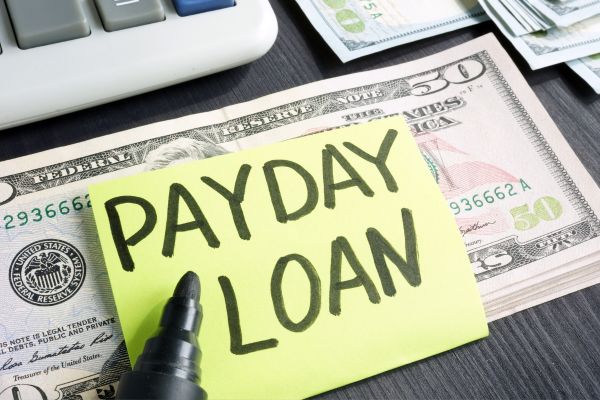
Short-term borrowing has always occupied a complicated place in personal finance. For some people, a small emergency loan can feel like a temporary lifeline during an unexpected medical bill, urgent car repair, or sudden gap between paychecks. For others, however, payday loans can become part of a difficult cycle where debt grows faster than financial recovery.
Australia has spent years trying to balance those realities. Regulators have attempted to create rules that allow access to emergency credit while limiting practices that may place financially vulnerable borrowers under greater pressure. As a result, payday loan restrictions in Australia have become increasingly detailed and closely monitored over time.
The conversation surrounding these loans is no longer only about borrowing money. It now touches broader concerns involving consumer protection, financial hardship, responsible lending, and the long-term effects of debt on households already struggling with rising living costs.
Understanding What Payday Loans Are
In Australia, payday loans are generally referred to as small amount credit contracts. These loans are designed for relatively small borrowing amounts and short repayment periods, often targeting people who need quick access to cash before their next income payment arrives.
Typically, payday loans involve simplified approval processes compared to traditional bank lending. Applications are often completed online, and funds may be transferred quickly after approval. That speed is part of the reason these loans became popular among borrowers facing urgent financial situations.
Yet the same convenience that attracts borrowers can also create risks.
Short repayment windows combined with fees and recurring financial pressure may make repayment difficult for some households. Borrowers sometimes take out additional loans to cover earlier ones, creating a pattern that regulators and financial advocates have repeatedly warned about.
This tension explains why Australia gradually introduced stronger restrictions around the industry.
Why Australia Introduced Payday Loan Restrictions
The push for tighter regulation did not appear overnight. It developed gradually as concerns grew about predatory lending practices and the financial vulnerability of low-income borrowers.
Consumer groups, financial counselors, and legal advocates reported cases where borrowers accumulated substantial debt from relatively small loans. Some individuals relied on multiple short-term loans simultaneously while already struggling with rent, utility bills, and basic living expenses.
Regulators also observed that aggressive lending practices could disproportionately affect people experiencing financial stress, unemployment, or unstable income conditions.
The goal of payday loan restrictions in Australia became less about eliminating short-term credit entirely and more about reducing the likelihood of harmful borrowing patterns.
This led to a framework focused heavily on affordability, fee limitations, transparency, and responsible lending obligations.
The Role of Responsible Lending Laws
One of the most important parts of Australia’s lending framework involves responsible lending requirements.
Lenders are expected to assess whether a loan is suitable for the borrower rather than simply approving applications automatically. This includes reviewing income, expenses, existing debts, and the borrower’s overall ability to repay the loan without experiencing substantial hardship.
In practice, this means lenders should not issue loans that appear clearly unaffordable based on a borrower’s financial circumstances.
Responsible lending rules attempt to slow down impulsive borrowing decisions that may worsen existing financial instability. Critics sometimes argue these checks are still insufficient in certain situations, while others believe stronger restrictions could limit access to emergency credit for people who genuinely need it.
The debate continues because financial hardship rarely fits neatly into simple categories.
Caps on Fees and Charges
Australia also places limits on the fees payday lenders can charge.
For small amount credit contracts, lenders cannot impose unlimited interest rates in the way some international payday lending markets historically allowed. Instead, regulations cap establishment fees and monthly charges.
These caps were introduced to reduce the risk of borrowers repaying dramatically more than the original loan amount. Without restrictions, short-term lending costs can escalate rapidly, especially when borrowers struggle to repay loans on schedule.
Even with fee caps in place, however, payday loans may still become expensive relative to larger traditional loans. That reality remains one of the central concerns raised by financial counselors and consumer advocates.
Many borrowers focus primarily on immediate cash access rather than fully calculating the long-term repayment burden during periods of financial stress.
Restrictions on Repeat Borrowing
One area receiving growing attention involves repeat borrowing behavior.
Some borrowers repeatedly rely on payday loans to cover ongoing living expenses rather than isolated emergencies. This pattern can create a cycle where one repayment leads directly into another loan application.
Australian regulations have increasingly attempted to address this issue by examining lending practices around repeat customers and unsuitable refinancing arrangements.
The concern is not only the size of individual loans but the cumulative financial effect of ongoing short-term borrowing over time.
Financial stress often compounds gradually. A borrower who initially seeks a small emergency loan may later face larger difficulties if repeated repayments reduce their ability to cover ordinary household costs.
Restrictions around repeat lending aim to reduce that escalation before it becomes unmanageable.
Payday Loans and Vulnerable Borrowers
Discussions around payday loan restrictions in Australia frequently return to the issue of vulnerability.
Financial vulnerability does not always look dramatic from the outside. People may appear employed and financially stable while privately struggling with rising rent, medical costs, family pressures, or unstable income patterns.
Short-term lenders often operate in spaces where mainstream financial institutions provide limited options. Borrowers with poor credit histories or irregular income may feel they have few alternatives available during emergencies.
This creates an ethical challenge for regulators. Restricting payday lending too aggressively could reduce access to emergency credit entirely for some people. Yet weak regulation may expose financially vulnerable households to deeper hardship.
The system therefore attempts to balance accessibility with safeguards, though opinions differ sharply about whether current protections go far enough.
Advertising and Consumer Awareness
Advertising practices within the payday lending industry have also attracted scrutiny.
Critics argue that some marketing approaches historically framed payday loans as quick, low-stress solutions without adequately emphasizing repayment risks or long-term financial consequences. Bright branding, fast approvals, and convenience-focused messaging sometimes overshadowed the seriousness of taking on debt.
Regulators increasingly expect clearer disclosure around fees, repayment obligations, and financial risks. Transparency has become a central principle within Australia’s consumer credit framework.
Still, financial literacy remains an important factor.
Many borrowers facing urgent financial stress focus naturally on immediate survival rather than long-term repayment calculations. Emotional pressure influences financial decisions more heavily than people often realize.
Understanding loan conditions fully becomes much harder when someone is already worried about overdue bills or essential living expenses.
The Influence of Rising Living Costs
Australia’s broader economic environment has intensified discussions around payday lending in recent years.
Rising housing costs, inflation, utility expenses, and food prices have placed additional pressure on household budgets across many income levels. For financially vulnerable households, even relatively minor unexpected expenses can create immediate crises.
This economic pressure contributes to ongoing demand for short-term borrowing despite stricter regulations.
Financial counselors often note that payday lending demand tends to reflect deeper structural financial stress rather than isolated consumer behavior. Many borrowers are not seeking luxury spending. They are attempting to bridge shortfalls connected to essential expenses.
That reality complicates public discussions about payday loans because the issue extends beyond lending itself into larger questions about wages, affordability, and economic insecurity.
Alternatives to Payday Loans
Part of Australia’s regulatory conversation involves encouraging safer alternatives to high-cost short-term borrowing.
Community-based financial assistance programs, no-interest loan schemes, payment hardship arrangements, and financial counseling services all aim to reduce dependence on payday lending where possible.
Some employers and financial institutions have also explored wage advance systems or low-cost emergency lending products designed to provide short-term support with fewer risks attached.
Still, access remains uneven depending on geography, income stability, and financial history.
For many borrowers, payday loans remain attractive primarily because they are accessible quickly during stressful situations. Convenience and speed continue influencing borrowing decisions heavily, even when safer alternatives may exist in theory.
Ongoing Regulatory Debates
Regulation around payday lending in Australia continues evolving.
Consumer advocates frequently call for tighter protections, including stronger affordability checks, reduced fees, and stricter limits on repeat lending practices. Industry representatives sometimes argue that excessive regulation may push financially vulnerable borrowers toward illegal or unregulated lending markets instead.
The challenge for policymakers is that short-term credit serves both legitimate emergency needs and potentially harmful borrowing patterns simultaneously.
There is no simple solution that eliminates risk entirely without affecting access to emergency funds for some households.
As financial conditions change, discussions around responsible lending, consumer protection, and credit accessibility will likely continue shaping Australian lending laws for years ahead.
Conclusion
Payday loan restrictions in Australia reflect an ongoing attempt to balance financial access with consumer protection. These regulations were introduced not simply to control lending practices, but to address the broader risks associated with short-term borrowing among financially vulnerable households.
Australia’s approach now includes fee caps, responsible lending obligations, affordability assessments, and growing scrutiny around repeat borrowing behavior. While these measures aim to reduce harm, debates continue about whether current protections are sufficient in an increasingly expensive economic environment.
What remains clear is that payday lending is rarely only about money itself. It often reflects deeper pressures involving rising living costs, financial insecurity, and limited access to safer credit alternatives. Behind every loan application is usually a household attempting to manage uncertainty in real time.
Understanding the rules surrounding payday loans therefore means understanding something larger as well: the complicated relationship between financial stress, regulation, and the difficult choices people sometimes make simply to keep moving forward.
